
Skip to content

Bug bounty platform in Spain

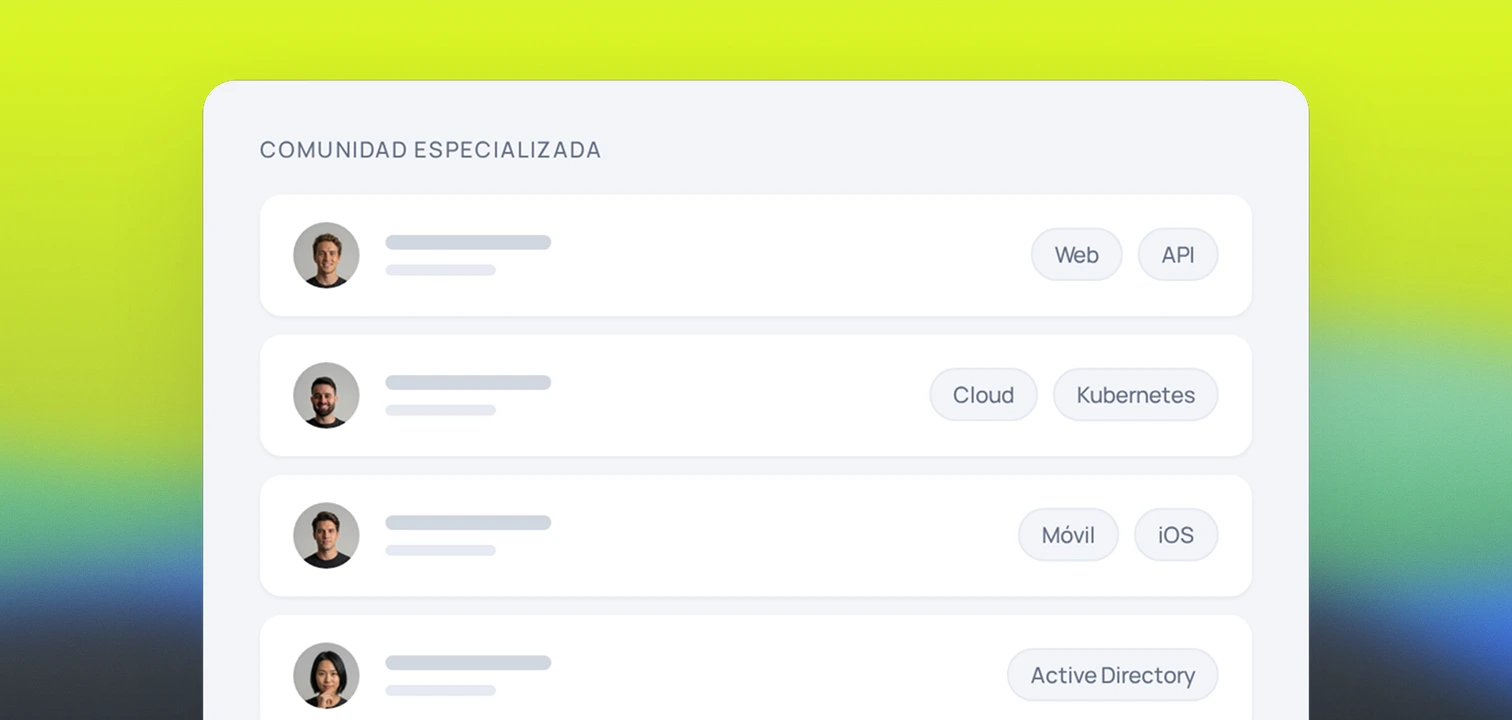
Secur0 is the Spanish bug bounty platform with the largest community of verified ethical hackers in the country. They test your systems continuously, you decide which assets are in scope and who gets access, and you only pay per validated vulnerability. Not by the hour, not by the report.

+1,500

Verified ethical hackers in our community

+100

Companies have tested their security with Secur0

CNA

CVE Numbering Authority under INCIBE's leadership

What a bug bounty programme is

A bug bounty programme is an agreement whereby a company authorises external ethical hackers to look for vulnerabilities in its systems and pays them a reward for every valid flaw they report. The company defines which assets are in scope and what is allowed to be done to them; the hacker documents the flaw and only gets paid if the report is validated. Unlike a one-off audit, the programme stays open over time, so security is tested continuously rather than once a year.

The practical difference with a traditional audit is the clock. An audit is a photograph: it describes precisely how your system was on the day it was done. The problem is what happens afterwards. If your team ships every week, every release introduces new surface that the last audit never saw and the next one will not see for months. That gap between audits is exactly where incidents happen.

A bug bounty covers that gap. Because the programme is always open, every change you publish enters the scope the moment it exists. And because there is no small team looking for a week, but many hackers with different specialities looking all year round, the variety of approaches finds things that a single auditor with a fixed methodology does not: someone who has spent years breaking business logic spots a flaw that an infrastructure specialist misses, and the other way round.

The other difference is economic. With a consultancy you pay for the time a team spends looking, whether they find anything or not. With a bug bounty you pay for results: if nobody finds anything, the programme barely costs you. That aligns the incentive, because whoever is looking only gets paid if they bring something real and verifiable.

How a bug bounty programme works with Secur0

This is the full journey of a report, from the moment a hacker finds something until your team has it fixed and the hacker has been paid.

The hacker reports

A hacker from the community finds a vulnerability within the scope you defined and documents it on the platform: what fails, how to reproduce it step by step and what can be achieved by exploiting it. Without reproducible evidence, the report does not move forward.

Our team triages it

Before the report reaches you, our team reviews it. We reproduce the flaw, discard false positives, duplicates and out-of-scope findings, and ask the hacker for anything missing. Your technical team does not spend a single minute reviewing noise: they only see what is real.

Severity is classified

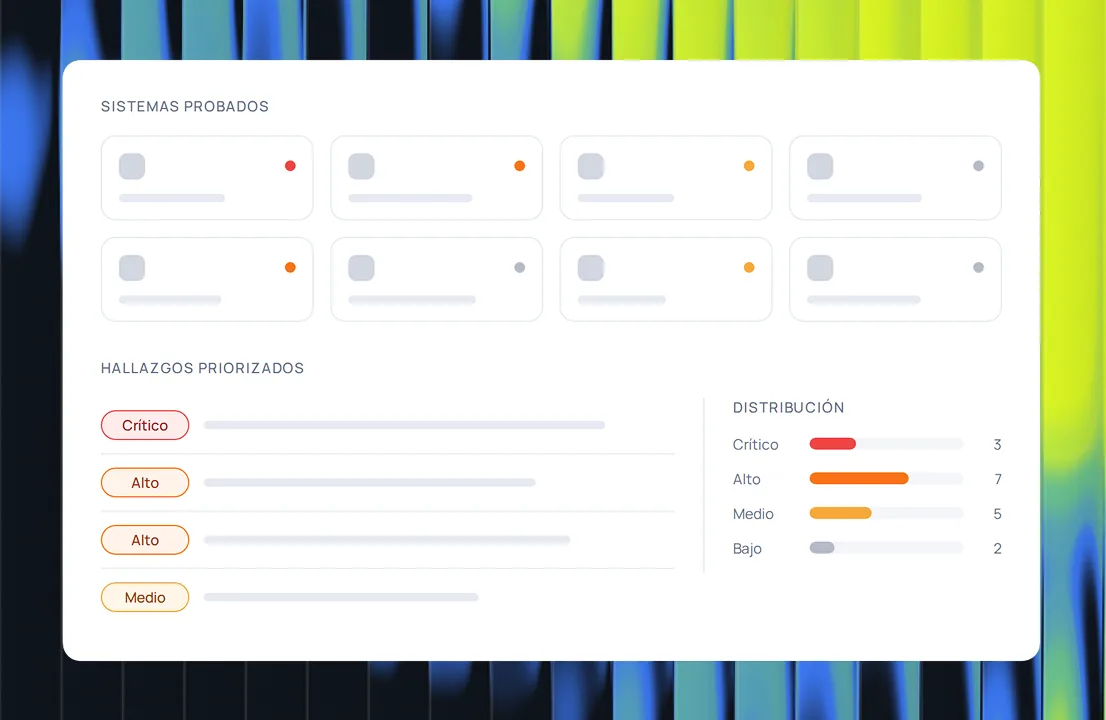
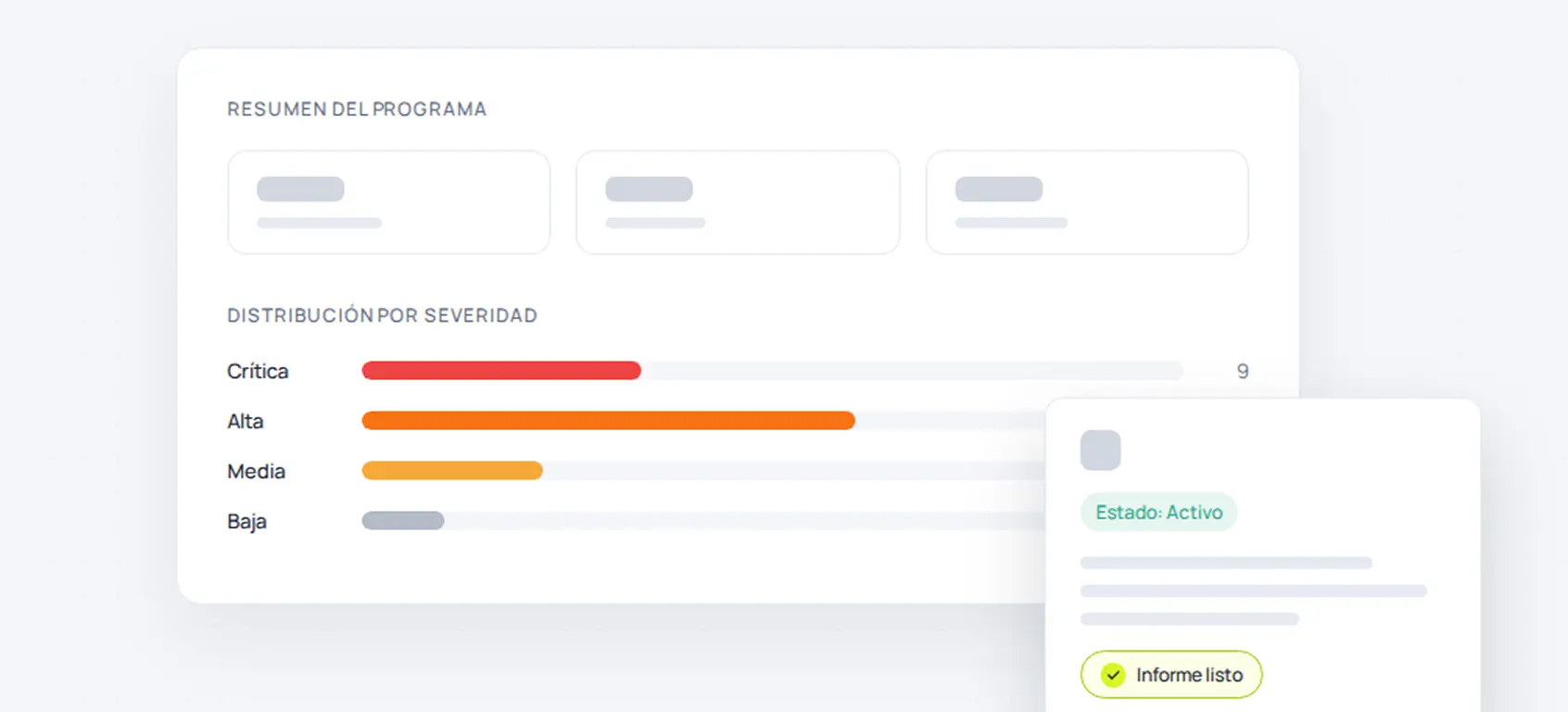
Every validated vulnerability is given a severity based on its real impact on your business, not on how technically flashy it is. That severity is what determines the fix priority and the reward the hacker receives.

Your team fixes it

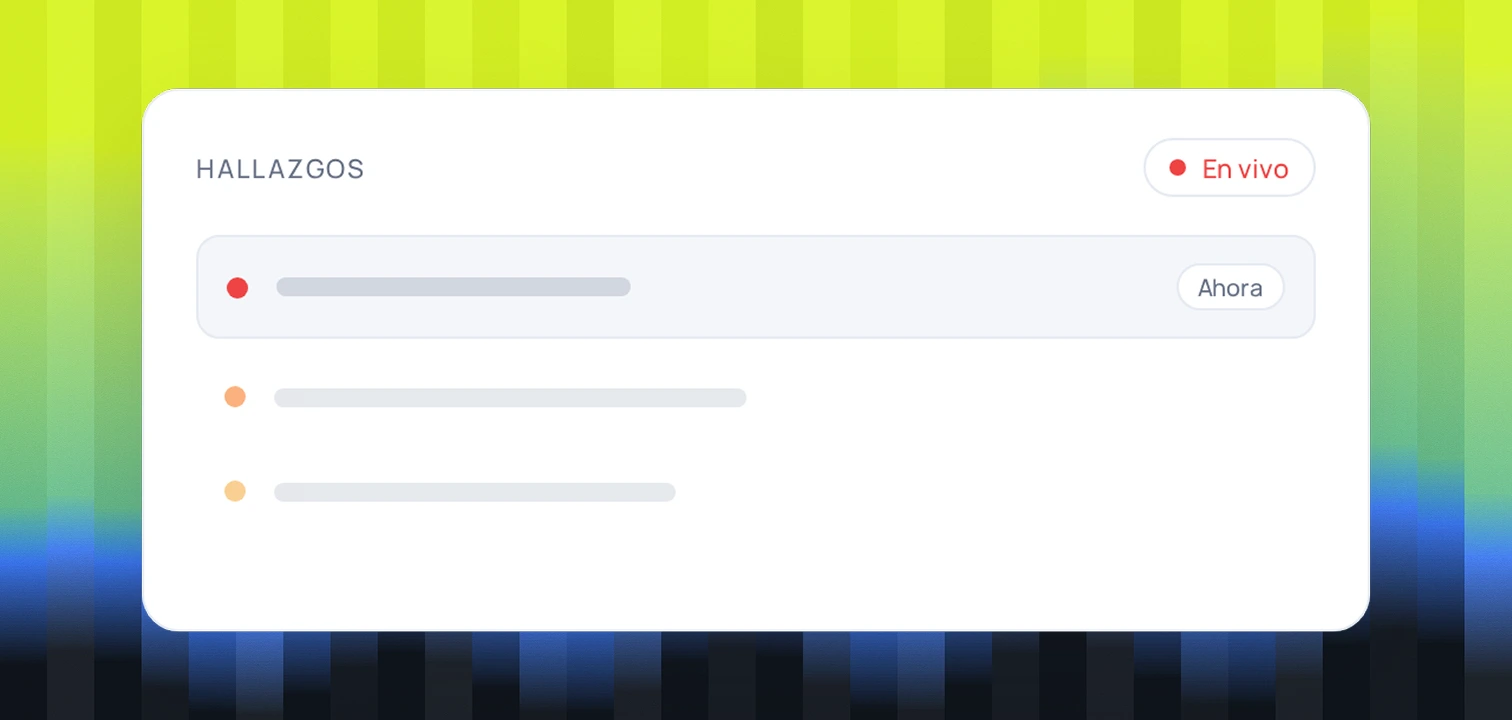
The report appears in your app.secur0.com dashboard as soon as it is validated, with the reproduction steps and the proposed fix. You do not wait weeks for a PDF: you can start fixing the same day. When you deploy the fix, we test it again to confirm the flaw is gone and has not opened another one.

The reward is paid

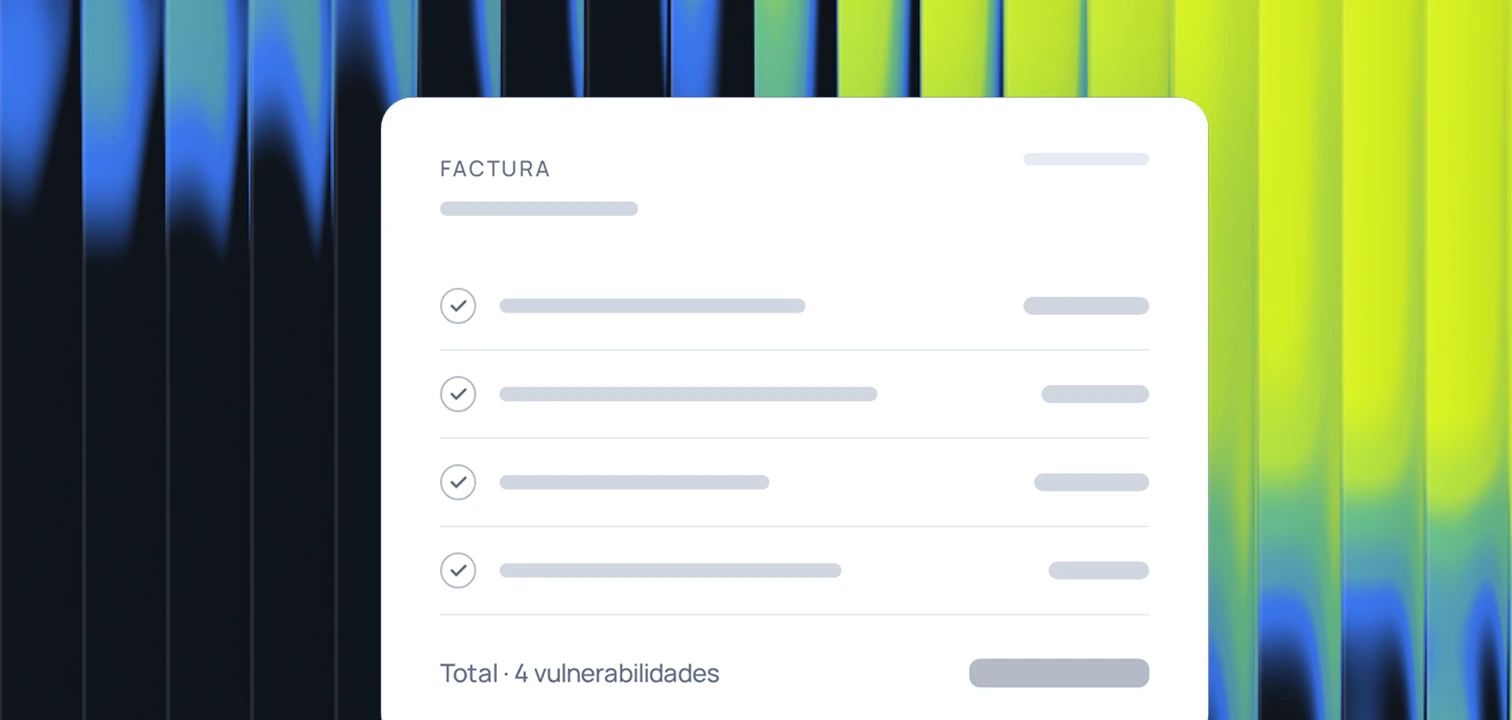
The hacker is paid for the validated vulnerability, with the amount matched to the severity. If the flaw is in a third-party component, we can also coordinate publishing the corresponding CVE, because Secur0 is an accredited numbering authority.

Bug bounty, pentest, VDP and crowdsourced: which one you need

All four test your security, but they solve different problems and do not compete with each other. This table is the short comparison; if you want the long one, it is on the services page.

Comparison of VDP, pentest, crowdsourced pentest and bug bounty by duration, number of hackers, payment model, deliverable and when to choose each one.
Feature VDP Pentest Crowdsourced pentest Bug bounty
Duration Continuous Always open, with no end date One-off A closed window, with a start and an end One-off or continuous You decide the window Continuous Always open, with no end date
Number of hackers Unlimited and unfiltered Anyone can report, even anonymously Small team Secur0's own pentesters, identified and under contract Curated group You set the level of verification required Broad community Verified, and with whatever filter you choose in a private programme
Payment model Triage only There is no reward per vulnerability Fixed fee Agreed per project, before starting Per validated vulnerability Based on severity Per validated vulnerability Based on severity, with no hours billed
Deliverable Reports in the dashboard Individual and exportable Full formal report Methodology, evidence and retest Formal report and real time Findings arrive as they are discovered Continuous reports One per finding, plus a tracking dashboard
When to choose it You have nothing yet You want an orderly channel without opening a budget Someone is asking you for it A client or a regulation requires a report The pentest falls short You need more coverage in less time You ship often Your product changes faster than your audits

In practice they work as a ladder, not as a mutually exclusive choice. Almost every company starts with vulnerability disclosure, which opens a legal channel to receive reports with no cost per finding. When a client or an auditor demands a formal report, a pentest is added, or a crowdsourced pentest if the scope is large and the deadline short. Bug bounty comes in when the product changes fast enough that an annual snapshot stops making sense, and it lives alongside the other three rather than replacing them.

How much a bug bounty programme costs

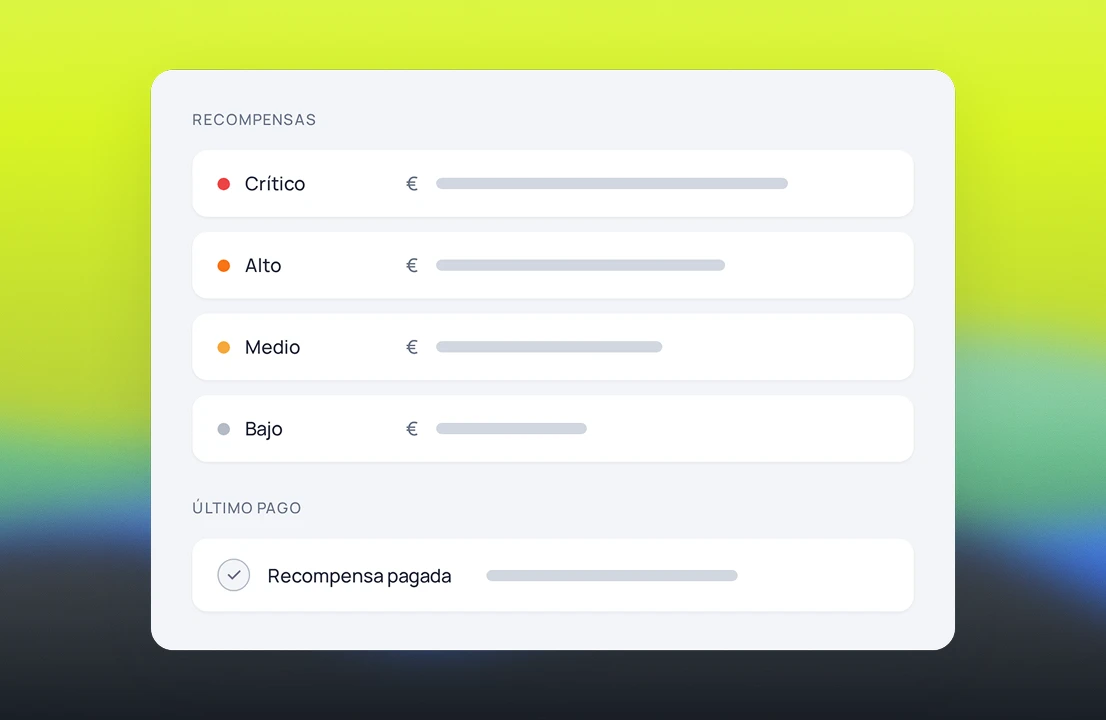
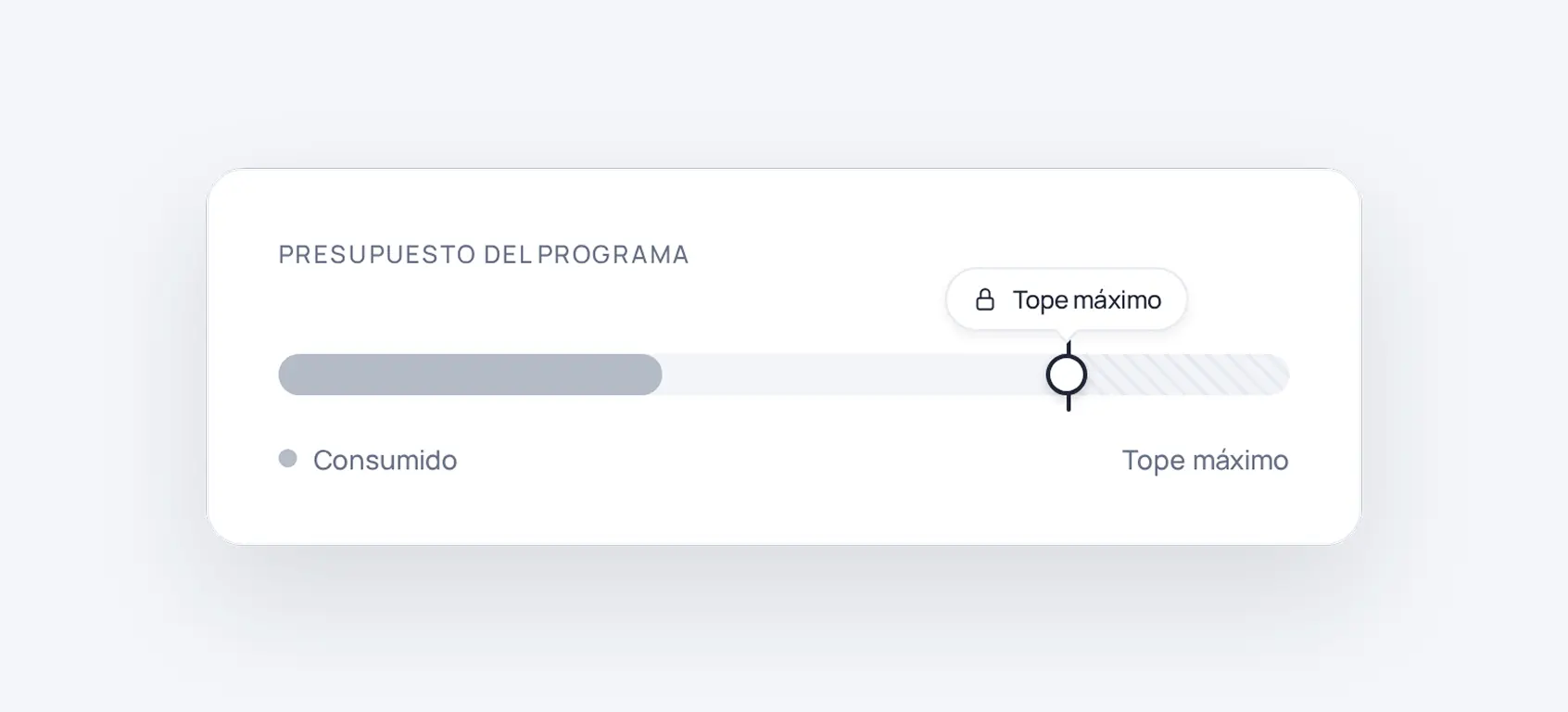
With Secur0 there is no billing by the hour or by the report: you pay per validated vulnerability, and the reward scales with the severity of the finding. The total cost of a programme depends on two things, the scope of assets you open up and how many real vulnerabilities exist within that scope.

That second part is usually what throws people coming from the consultancy model, so it is worth saying plainly: a programme over a well-built system costs little, because there is little to find. And when the spend goes up it is because flaws have been found that were already there before the programme opened, exposed and with nobody aware of them. Paying for those is not an extra cost: it is the price of finding out before someone else does.

Compare it with what happens in the traditional model. A consultancy charges you for the time its team spends looking, whether they find anything or not. If the audit ends with no relevant findings, the invoice is the same. If the auditor has a bad month, the invoice is the same. The cost is tied to effort, not to results, which means you carry the whole risk.

In a bug bounty programme the incentive works the other way round. Whoever is looking only gets paid if they bring something real, reproducible and validated by our triage team. False positives are not paid. Duplicates are not paid. Noise is not paid. That makes the spend proportional to the value you receive, and lets you justify every euro internally by pointing at a specific vulnerability that no longer exists.

The question we always get “What if you find a huge amount and the cost explodes?” It is the most reasonable doubt about the model. Tell us your scope on a call and we will give you the concrete figures for your case before you sign anything.

Why choose a Spanish bug bounty platform

HackerOne, Bugcrowd, Intigriti and YesWeHack are serious platforms and they have been at this longer than we have. If your company operates from Spain, there are five concrete reasons why it is still worth looking at a local alternative before signing with one of them.

We are a CVE Numbering Authority

Secur0 is a CVE Numbering Authority accredited by MITRE under INCIBE's leadership, one of the few in Spain. When we find a flaw in a third-party component we do not just report it to you: we can assign and publish the CVE identifier in the standard used by companies and governments worldwide. You can see what being a CNA involves in detail.

The community speaks your language

Reports arrive in Spanish, triage is done in Spanish and so is support. It sounds minor until your development team has to interpret an exploitation chain described in technical English by someone in another time zone, and days are lost clarifying what a single call would have settled.

Product and team in Spain

The platform is built here and the team is here. For the legal and procurement teams of a Spanish company that simplifies the data processing agreement, supplier due diligence and the conversations about where your vulnerability data lives.

Evidence built for your framework

We produce reports and evidence geared towards the frameworks a Spanish or European company works with, particularly the ENS and DORA. It is not an add-on translated afterwards: it is generated with that use in mind from the start.

And the fifth one, which is not technical: you are a client, not a ticket. With global platforms a mid-sized Spanish company competes for attention with much larger accounts. Here you talk to the team that builds the product.

An honest note about certifications Secur0 produces evidence and reports geared towards the ENS and DORA, and that helps your compliance team. But Secur0 is not certified under ISO 27001 or the ENS, and no provider should let you believe otherwise. If you need your provider to hold those certifications, tell us on the first call and we will say so plainly.

You control who gets in and what gets tested

It is the first objection from any security lead, and it is the right one: opening your systems to external hackers sounds like losing control. In practice the opposite happens, because a well-run programme gives you more control over who is testing you than you have today.

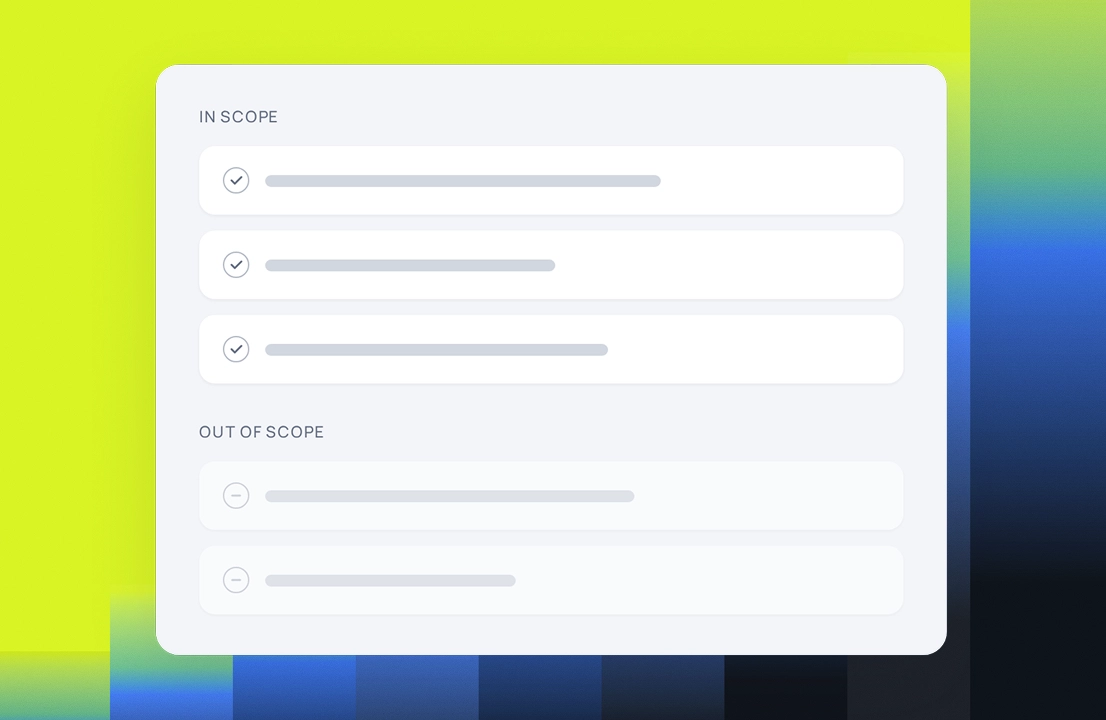
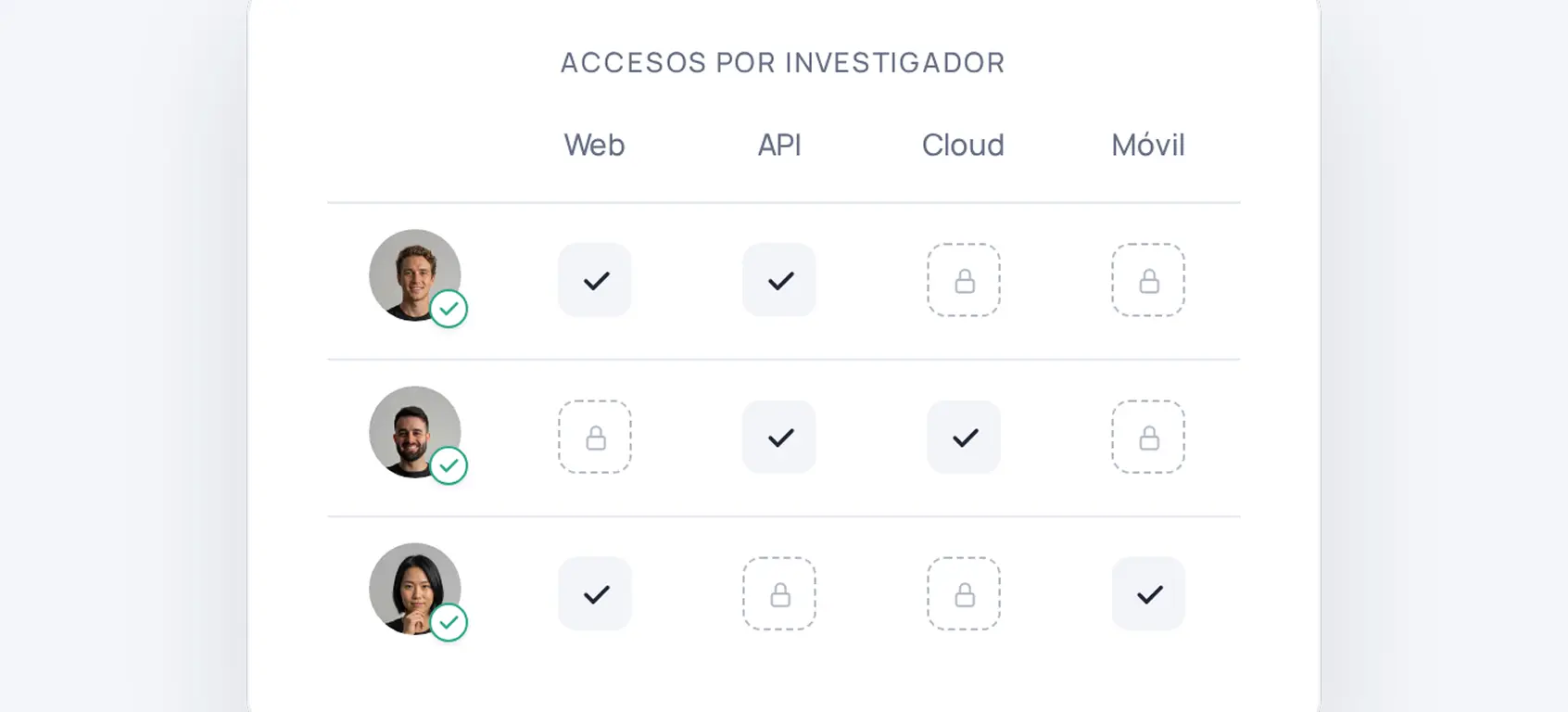
You define the scope. Before anything opens, you decide which domains, applications, APIs and infrastructure are in the programme, and which are explicitly out. Also what is allowed to be done to them: what kind of testing, within what limits and under what conditions. Nothing outside that perimeter is touched, and an out-of-scope report is not paid.

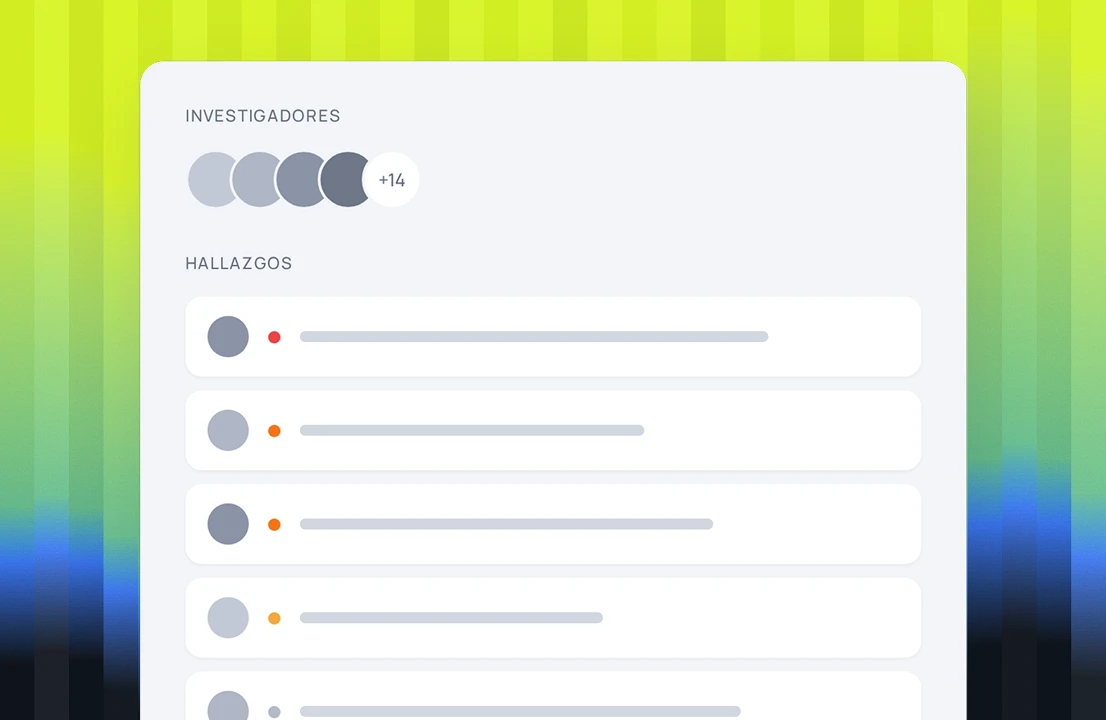
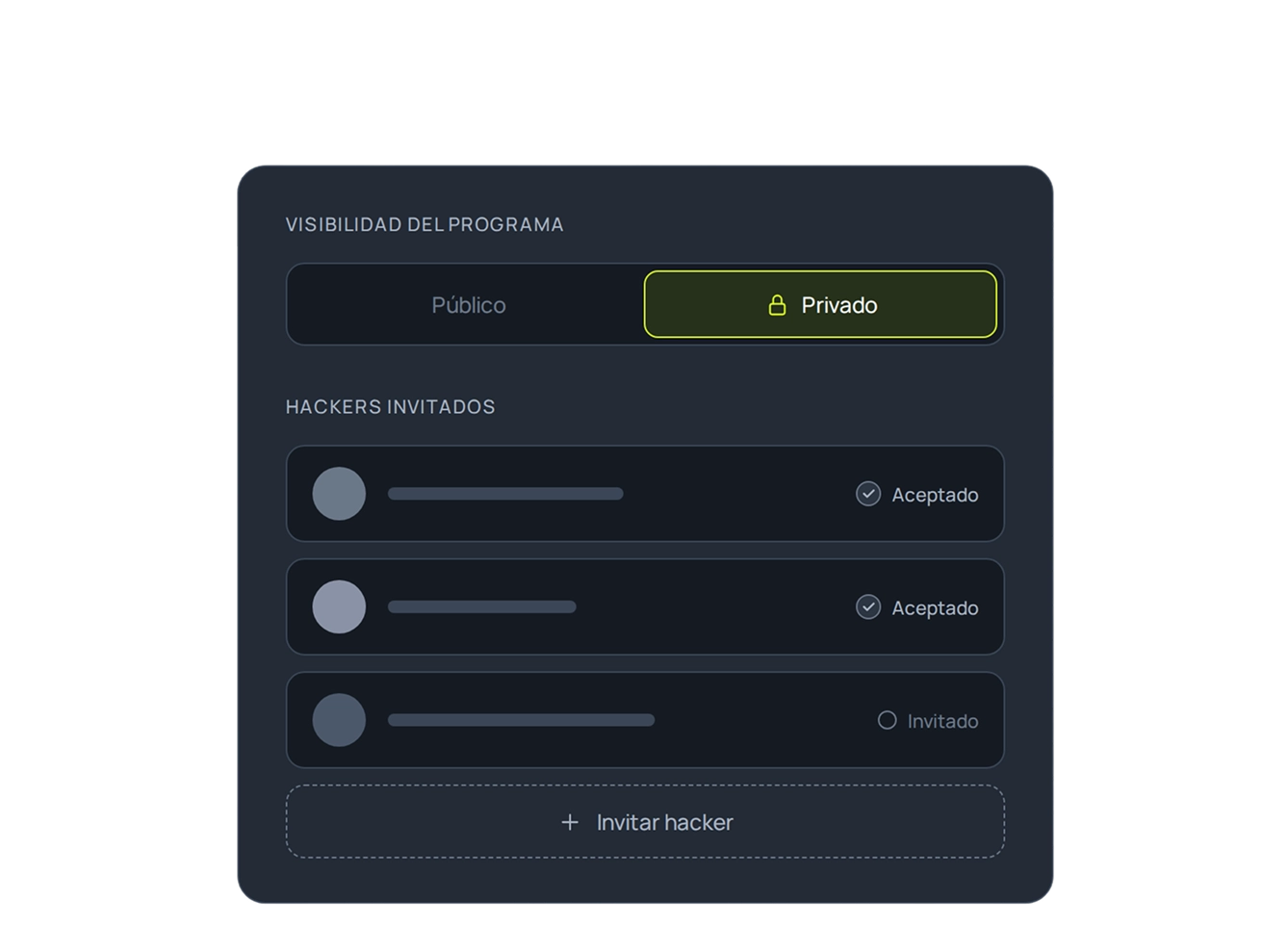
You authorise each hacker. Our entire community is verified, and in a private programme you can raise the bar as high as you like: require confirmed identity, country of residence, specific certifications or verified background checks. You authorise access participant by participant and revoke it whenever you want, with no explanation needed.

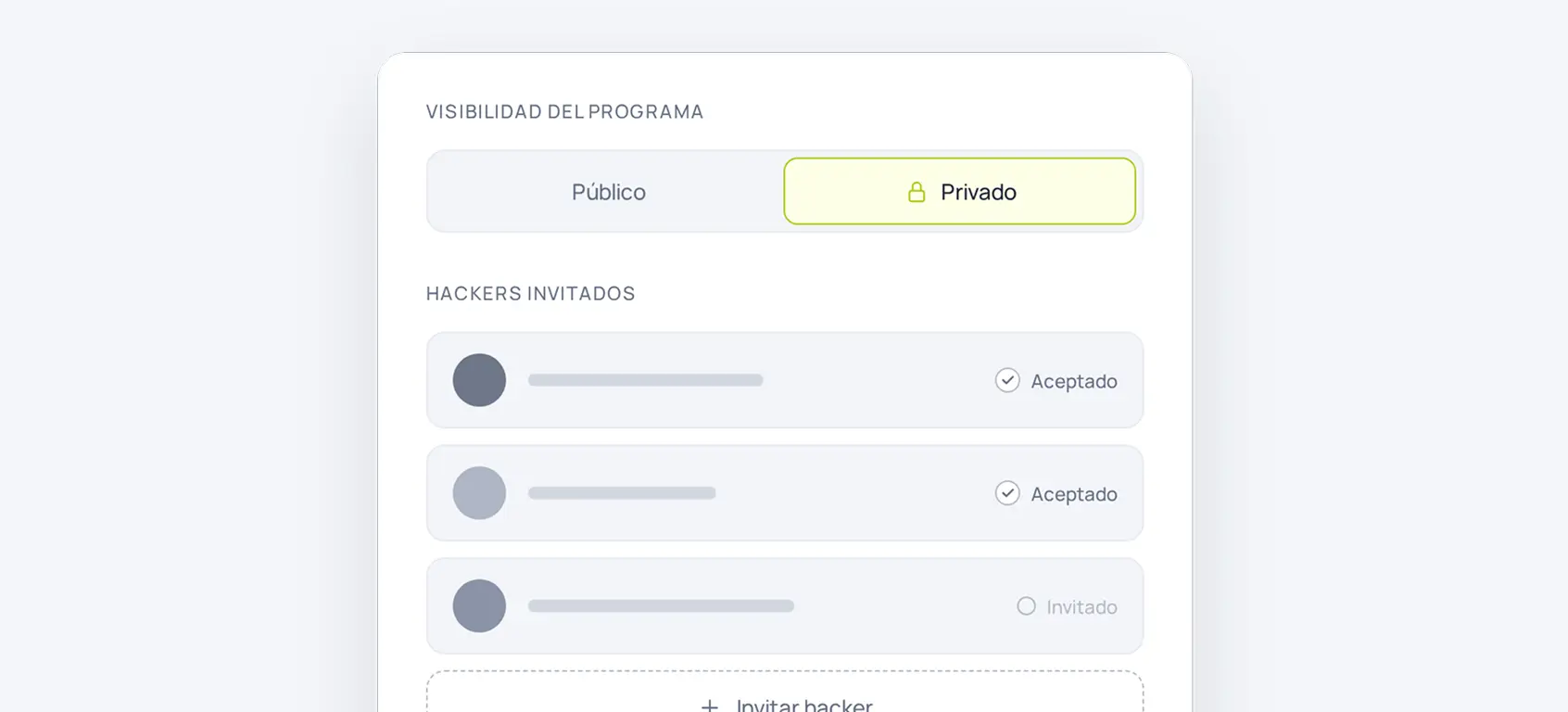
You decide whether anyone knows. A programme can be public, with the policy visible to anyone, or private and invite-only, with nobody outside knowing it exists. Many teams start private with a small group, check how the report flow works with their own internal process, and only open up afterwards.

Compared with this, the alternative is not “nobody looks”. The alternative is that they look anyway, but with no rules, no channel to warn you and no incentive whatsoever to tell you first.

Companies already testing their security with Secur0

More than a hundred companies have worked with us, across fintech, healthtech, edtech, SaaS and digital platforms. These are two published cases. Both are from other services, because the bug bounty programmes currently running do not have a published case yet.

Pentest case

“We knew a pentest would find flaws in the system, and that was exactly the point. Instead of fearing the results, we saw this test as the fastest route to improving our product and giving our customers complete peace of mind.”

Juanjo Payá CTO and co-founder of ZeroNet
Read the ZeroNet case
VDP case

CocoAI, edtech

How we helped this edtech set up a vulnerability disclosure programme to protect its students' data and shield its AI resources from abuse.

Read the CocoAI case
GBTC FinanceDiditCapillaryPlexicusBevalkBMINDEquitoNeurekaLabNexusClipsPortripRepScanSTR DronesUphintVottun
See all success stories

How to launch your bug bounty programme

What sits between the first call and the first report in your dashboard.

You tell us what you have

What product, what exposed assets, what team you have to receive reports and whether any compliance framework is putting pressure on you. In that conversation we also tell you whether what you need is a bug bounty or something else.

We define the scope and the rules

What is in, what is out, which types of testing are allowed and which are not. We also agree the reward table by severity and the safe harbor conditions that legally protect anyone reporting in good faith.

You choose public or private

If it is private, you define the level of verification you require from participants and how many you want to start with. That is the most common approach at first: you start with a small group and expand once your internal fixing process is running smoothly.

It opens and reports start coming in

From that moment the programme is live. Findings appear in your dashboard as our triage team validates them, and that is where the fix-and-revalidate cycle begins.

Start with the first call

Frequently asked questions

What is a bug bounty programme?

A bug bounty programme is an agreement whereby a company authorises external ethical hackers to look for vulnerabilities in its systems and pays them a reward for every valid flaw they report. The company defines which assets are in scope and what is allowed to be done to them. The programme stays open over time, so security is tested continuously rather than once a year.

What is the difference between a bug bounty and a pentest?

A pentest is a one-off audit: a small team reviews a defined scope during a closed window and delivers a formal report with methodology, evidence and retest. A bug bounty is continuous: many hackers with different profiles test all year round and are paid for each validated vulnerability. The pentest answers a compliance requirement; the bug bounty covers the time between audits, which is when the product changes.

What is the difference between a bug bounty and a VDP?

A VDP, or vulnerability disclosure programme, is an open and public channel so anyone can report a flaw responsibly and without fear of legal retaliation. There is no reward per vulnerability: only triage is paid for. A bug bounty does pay for each validated finding and lets you work with a verified group of hackers, in a public or private programme. The VDP is the first step; the bug bounty is the next one.

How much does a bug bounty programme cost?

The cost depends on the scope of assets and how many real vulnerabilities exist. There is no billing by the hour or by the report: you pay per validated vulnerability, and the reward scales with the severity of the finding. That means a system that is already well built costs little, and that when the spend goes up it is because flaws have been found that were there before you started.

How long does a bug bounty programme take to produce results?

The first reports usually arrive in the days following the opening of the programme, not weeks later. Findings appear in the Secur0 dashboard as they are validated, so the technical team can start fixing without waiting for any cycle to end.

What happens if two hackers report the same vulnerability?

The first one to report it with sufficient evidence is paid. The rest are marked as duplicates and generate no cost. Triage happens before the report reaches the company, so the technical team does not spend time reviewing the same flaw several times.

How do you guarantee the hackers are trustworthy?

The hackers in Secur0's community are verified, and in a private programme the company additionally sets whatever level of scrutiny it wants: identity, country of residence, certifications or background checks. The company authorises each participant's access and can revoke it at any time. All participants are bound by the programme terms and the defined scope.

Does a bug bounty count towards the ENS or DORA?

It serves as technical evidence that the organisation tests its security continuously, and Secur0 produces reports geared towards that use. It does not replace the formal audit these frameworks require: to certify you need a pentest or a crowdsourced pentest with a compliant report. The usual approach is to combine both.

What do I need to have ready before opening a bug bounty programme?

Three things: the list of assets you want tested and those that stay out, someone on your team to receive the reports and be able to fix them, and a decision on whether the programme will be public or private. The rest, including the programme terms, the safe harbor and the reward table, is defined with you before it opens.

Test what is already exposed

Tell us what assets you have in production and what team you have. We will tell you whether a bug bounty fits you, what scope makes sense to open first and what cost to expect. If what you need is something else, we will tell you that too.

No commitment. A specialist gets back to you within 24-48 hours.